
Taming the ADHD Chaos
My Survival Guide to Actually Getting Things Done

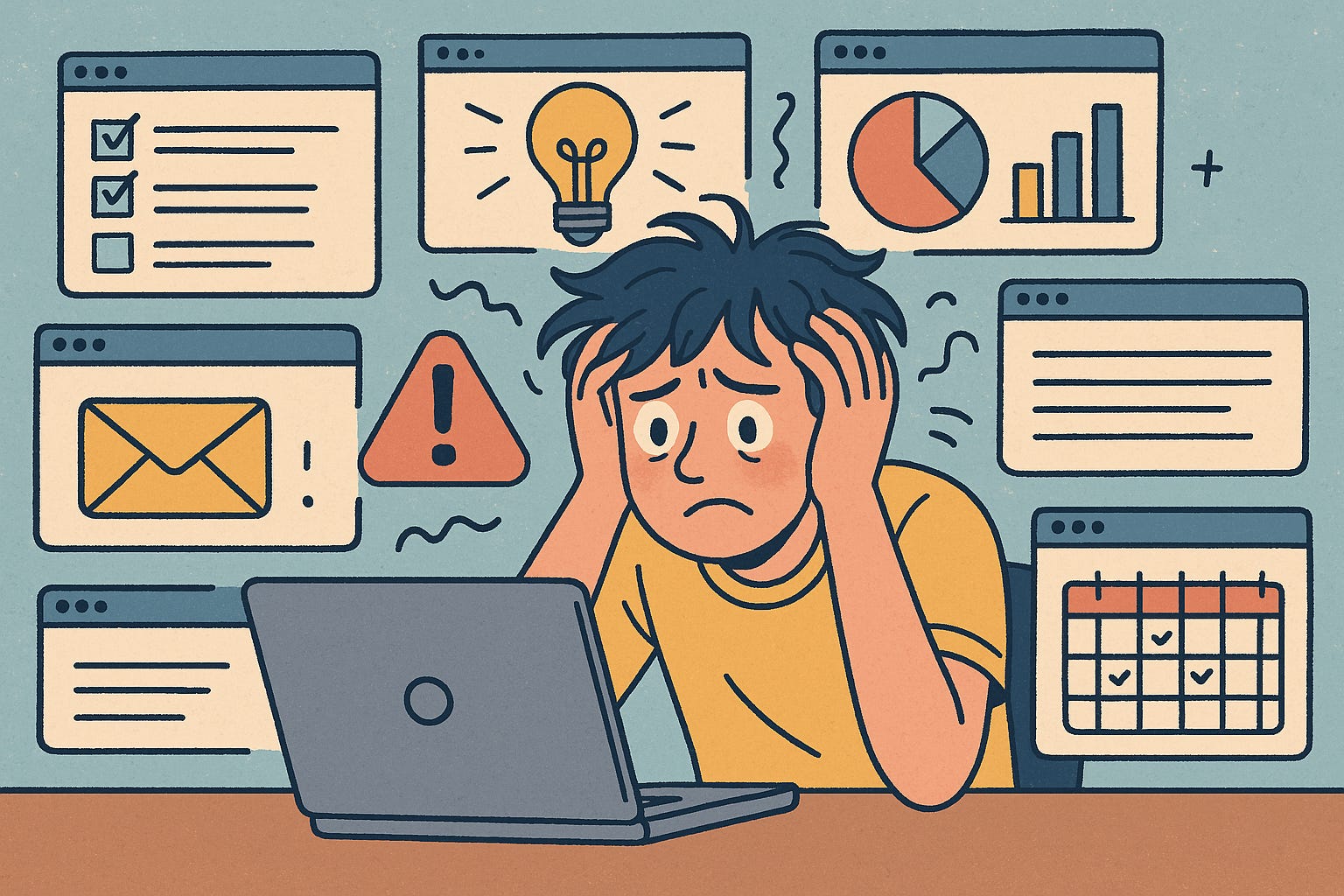
You know that feeling when you sit down to work on something important, and suddenly your brain decides that right now—at 11:42 PM on a Tuesday—is the perfect time to research the complete evolutionary history of dolphins? Yeah, me too.
Note from Soft: This post contains strategies I've personally found helpful for managing ADHD symptoms. I'm sharing my experiences, not prescribing medical advice. Your journey may look different, and that's perfectly okay.
The Focus That Keeps Fleeing
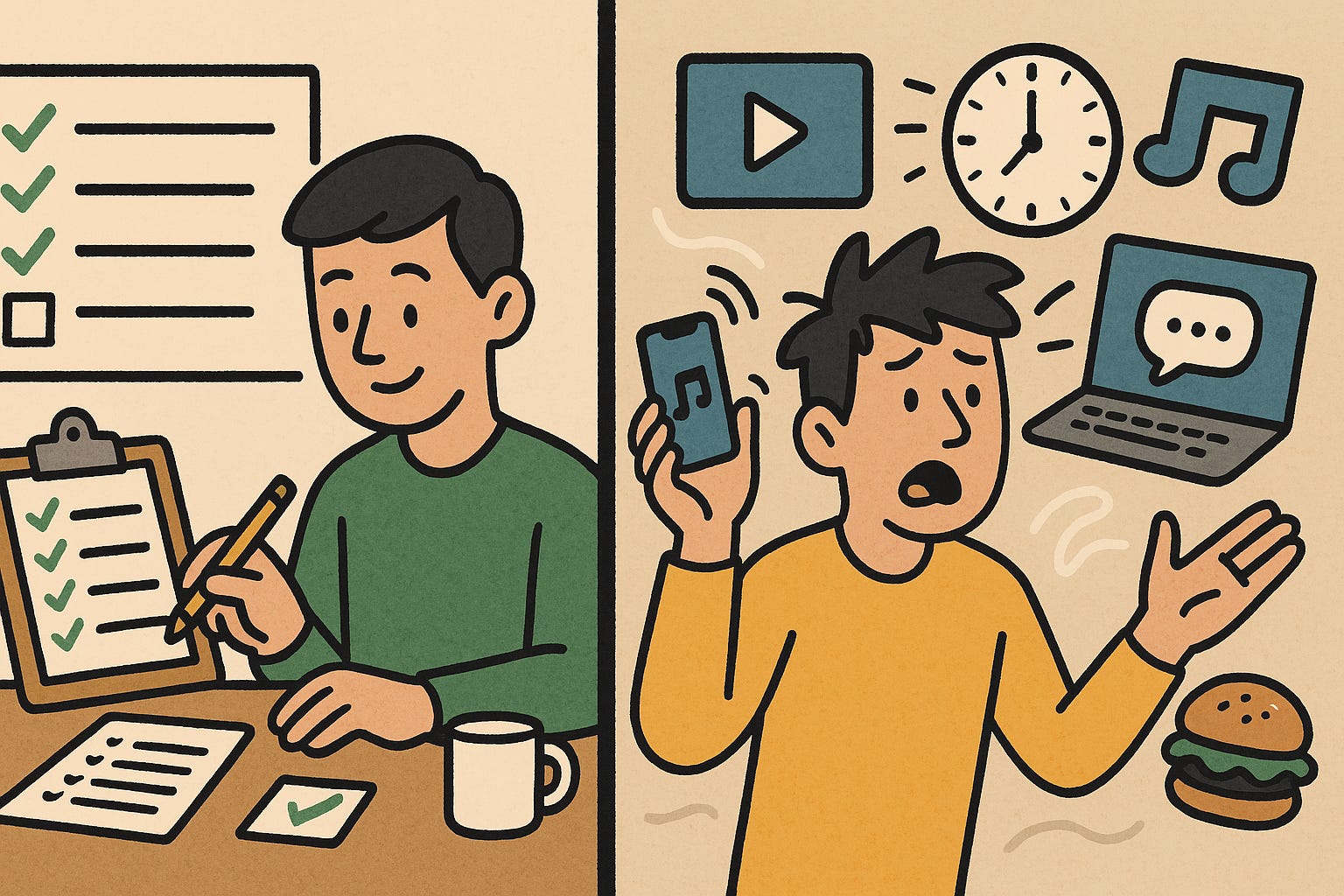
Last week, I had a critical deadline approaching—the kind that could not be missed without serious consequences. Did my brain cooperate? Of course not. Instead, I found myself hyperfocused on reorganizing my entire digital music library by mood, then by artist, then alphabetically, then... you get the idea. Three hours vanished, and not a single word had been written for my actual project.
This isn't a character flaw or moral failing—it's just how my ADHD brain operates. The more important something is, the more likely my focus will slide away from it like water off a duck's back.
After years of struggling, here's what actually helps me stay on track:
Breaking down mountains into molehills. When I see a massive project, my brain short-circuits. So I've learned to immediately slice it into ridiculously small pieces. Not "write report" but "open document," "write first sentence," "find one reference." Sometimes my task list looks absurdly granular, but it works.

Scheduling specific "thought-capturing" breaks. I keep a small notebook beside me at all times. When my brain inevitably wanders mid-task to remind me about calling my aunt or that fascinating article I need to read, I quickly jot it down and return to work. These little thought-diversion catches have saved me countless hours of procrastination spirals.
Body doubling saved my career. Working alongside someone else—even virtually—has been transformative for me. There's something about another human's presence that keeps my brain accountable. I use FocusMate when working from home, but even sitting in a coffee shop provides enough ambient humanity to keep me on track.
Fidgeting isn't the enemy of focus—it's the gateway. I used to feel embarrassed about my constant need to move, until I realized that fidgeting actually helps my brain engage. Now I keep a collection of silent fidget toys at my desk and twist, click, and squeeze my way through focused work sessions.
The Procrastination Paradox
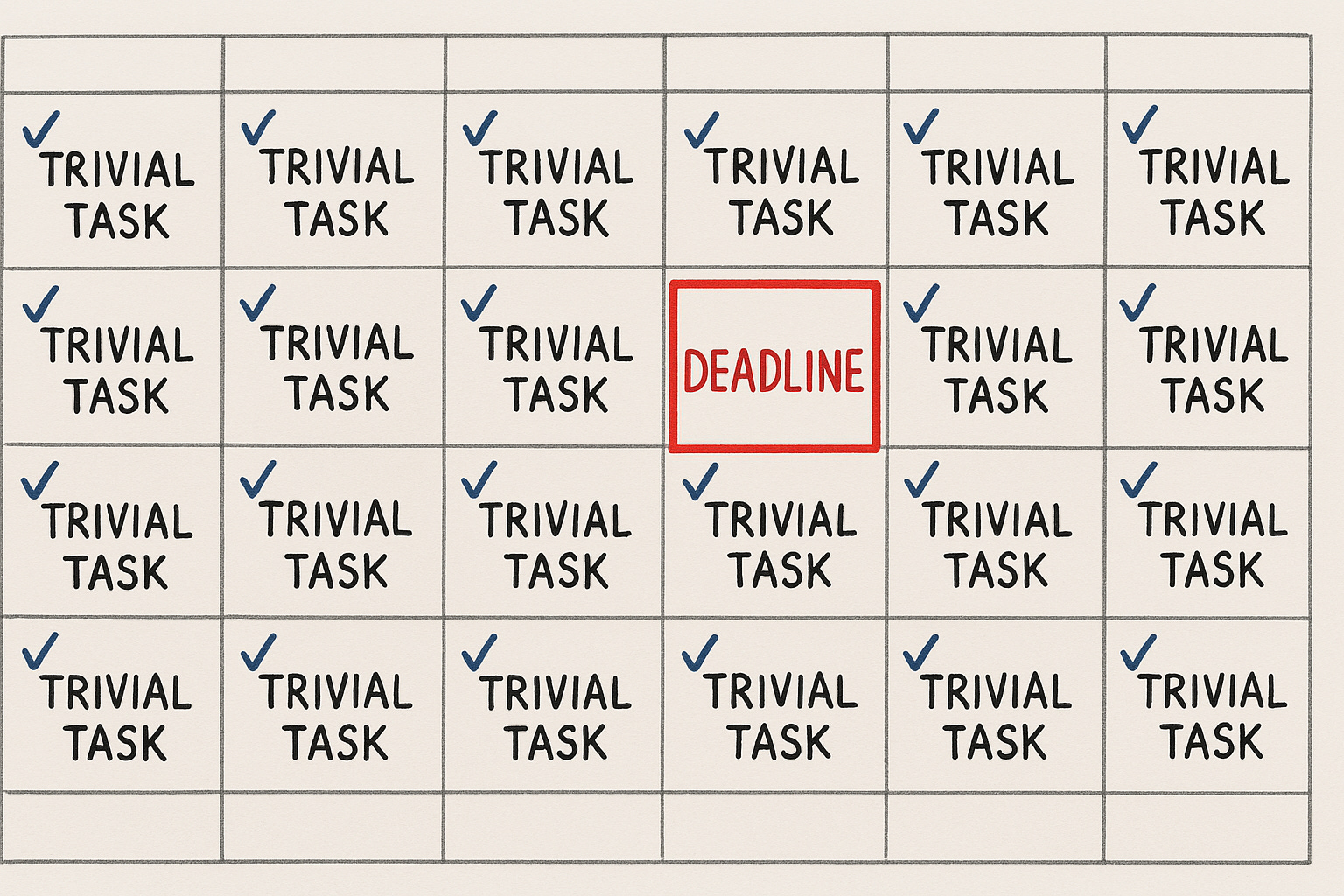
The most crucial email has been sitting in my drafts folder for six days. Meanwhile, I've organized my spice rack alphabetically, cleaned behind the refrigerator, and written three completely optional blog posts. Classic ADHD procrastination—avoiding the important by doing the irrelevant.
What's actually helped me break through:
The timer trick that actually works. I set a timer for just 5 minutes—not 25, not 15, just 5—and commit to working on the dreaded task until it beeps. Usually, once I start, the invisible resistance barrier disappears. If not, I take a short break and try another 5 minutes. Small enough to be non-threatening, brief enough to be doable.
Creating artificial deadlines with accountability. My brain responds to urgency, so I've learned to manufacture it. I'll tell a colleague "I'll send you this by 3 PM today"—creating external accountability that my people-pleasing tendencies won't let me ignore.
The two-minute immediate execution rule. If something takes less than two minutes, I do it immediately rather than adding it to my to-do list. This prevents small tasks from accumulating into an overwhelming pile.
Accepting "active procrastination." Sometimes avoidance is inevitable, so I've learned to procrastinate productively. If I can't make myself work on the big proposal, I'll at least clear out my inbox or organize research materials—still procrastinating but in a way that moves me forward.
When Emotions Hijack Everything
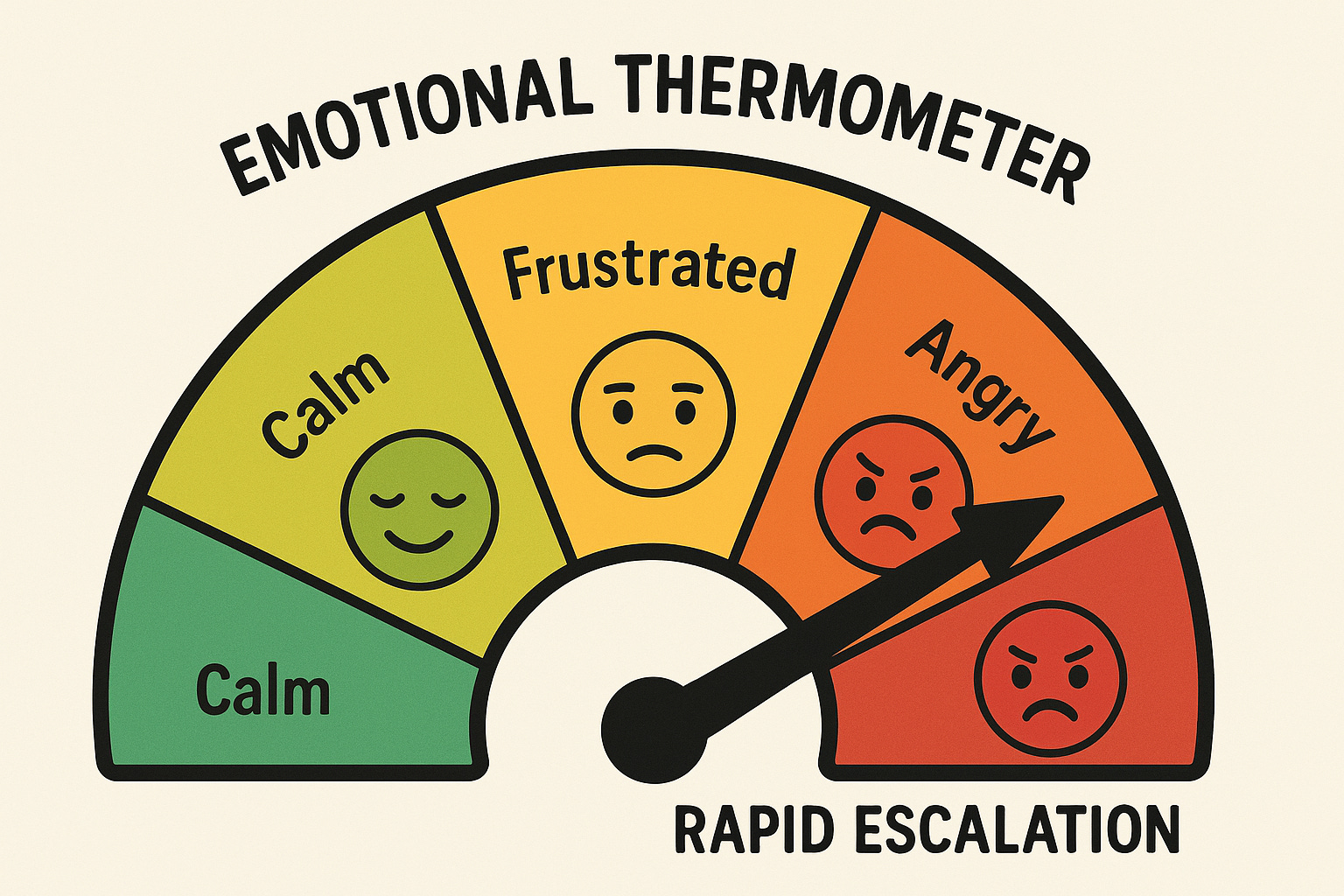
The ADHD emotional experience feels like driving a car where the gas pedal is either untouched or slammed to the floor—with very little in between. My frustration can rocket from zero to explosion in seconds, and my impulse control often takes an unscheduled vacation.
After many regrettable email responses and impulsive purchases, here's what's helped:
Learning to name the feeling before acting on it. Just saying to myself "I'm feeling overwhelmed right now" creates a tiny but crucial space between stimulus and response. In that space lives my power to choose a better reaction.
The pause button technique. When I feel emotionally flooded, I physically step away from the situation—even if just for 30 seconds—and take three deep breaths. This brief reset prevents me from saying or doing things I'll later regret.

Environment design as impulse control. I've deleted shopping apps from my phone and set up complicated passwords for online stores. These small friction points create just enough delay for my rational brain to catch up with my impulsive one.
Creating Structure in a Structureless Mind
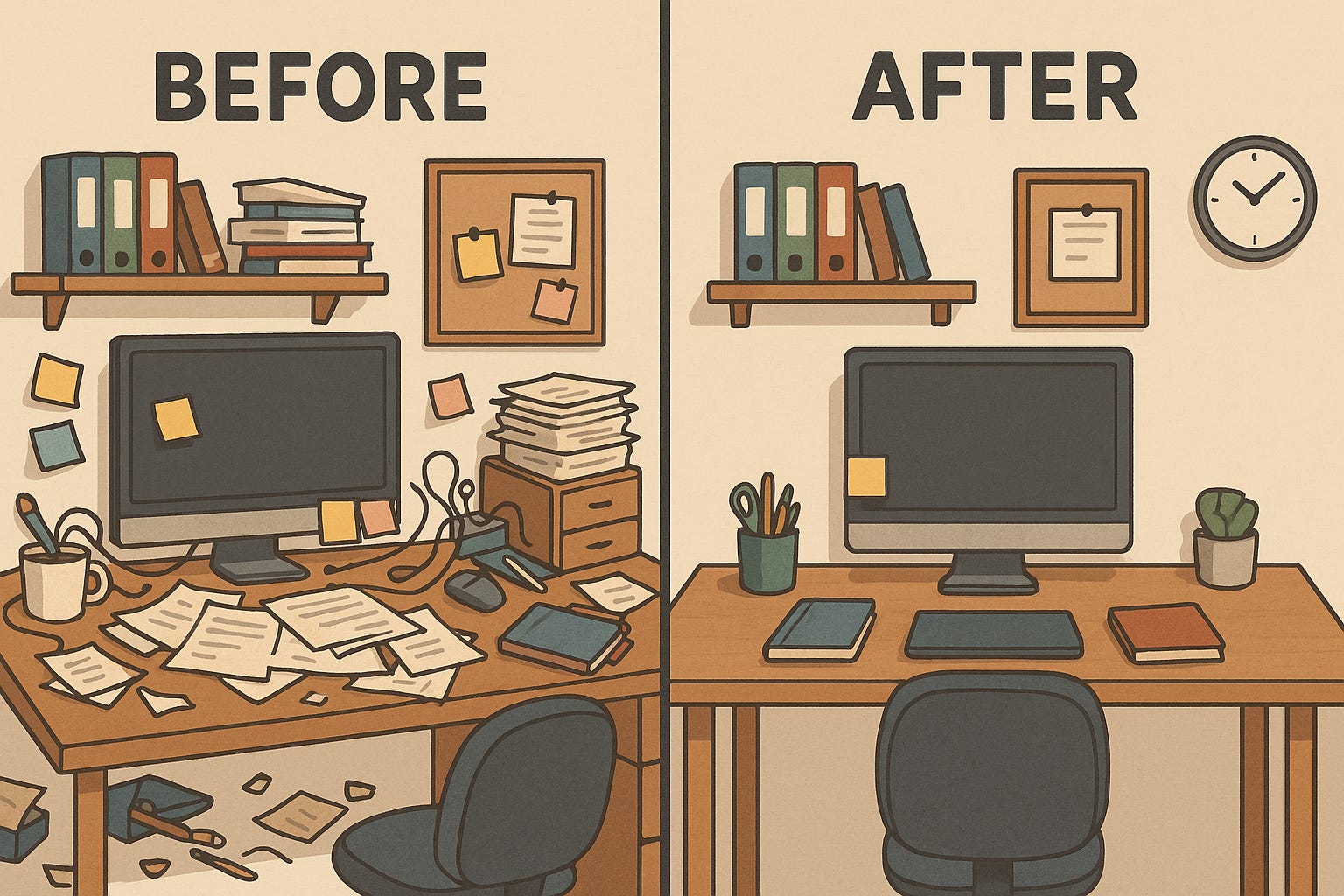
My natural state is creative chaos. Without intentional systems, I'd never find my keys, remember appointments, or complete multi-step projects. Building external scaffolding has been essential:
Starting absurdly small with routines. Every successful routine in my life began with just one tiny step. My current morning routine that helps me start work on time? It began with just "turn on kettle for tea" as the only consistent action. I slowly added one small action at a time.
The "everything has a home" revelation. My keys, wallet, and phone now have a dedicated landing pad by the door. This simple designated space has probably saved me hundreds of hours of frantic searching over the years.
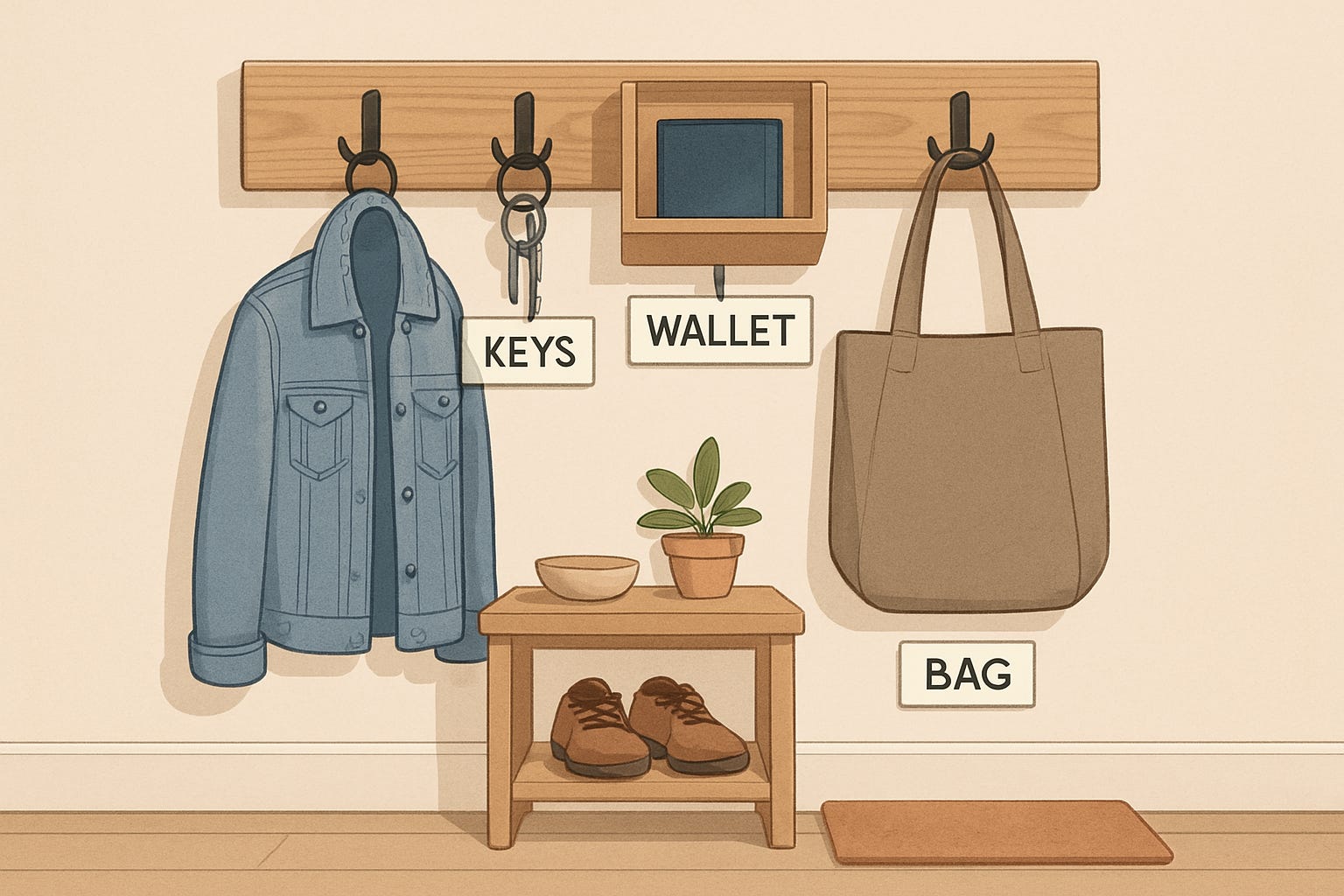
Preparation prevents disaster. I've learned that my future self will almost always be more rushed and frazzled than my current self imagines. So I over-prepare—clothes laid out the night before, lunch packed, bag by the door. My morning self sends daily gratitude to my evening self for this foresight.
The Restless Body-Busy Mind Connection
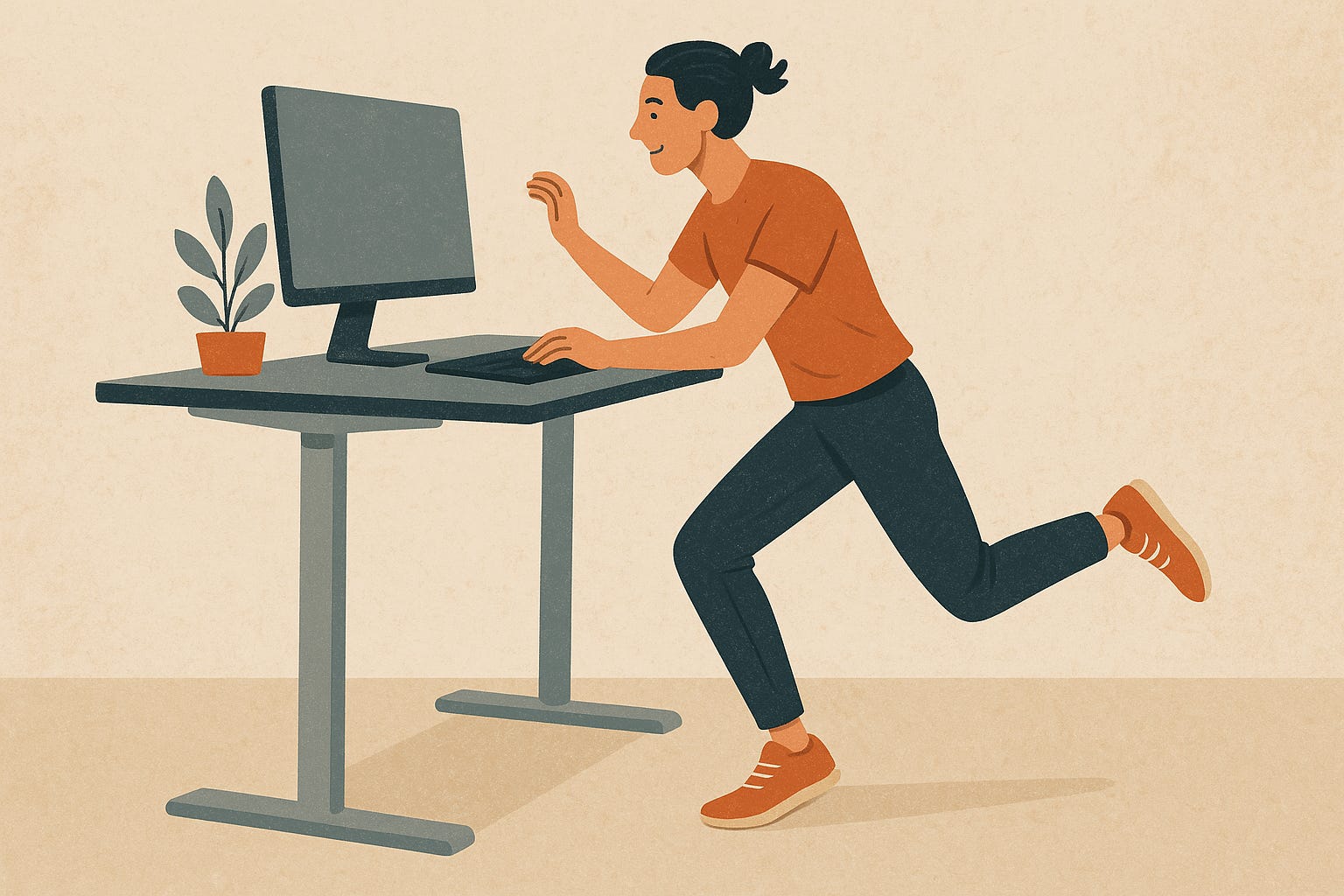
The physical restlessness of ADHD is often overlooked, but it's profoundly impactful. My leg bouncing, pen clicking, and constant repositioning aren't just annoying habits—they're my brain's attempt to increase stimulation.
What's helped me channel this energy:
Exercise as non-negotiable medicine. Nothing—and I mean nothing—helps my ADHD symptoms more than regular physical activity. Even a 20-minute morning walk noticeably improves my focus and emotional regulation for hours afterward.
Standing desk liberation. Working at a standing desk has been game-changing, allowing me to sway, shift weight, and move naturally without the constraint of sitting still.
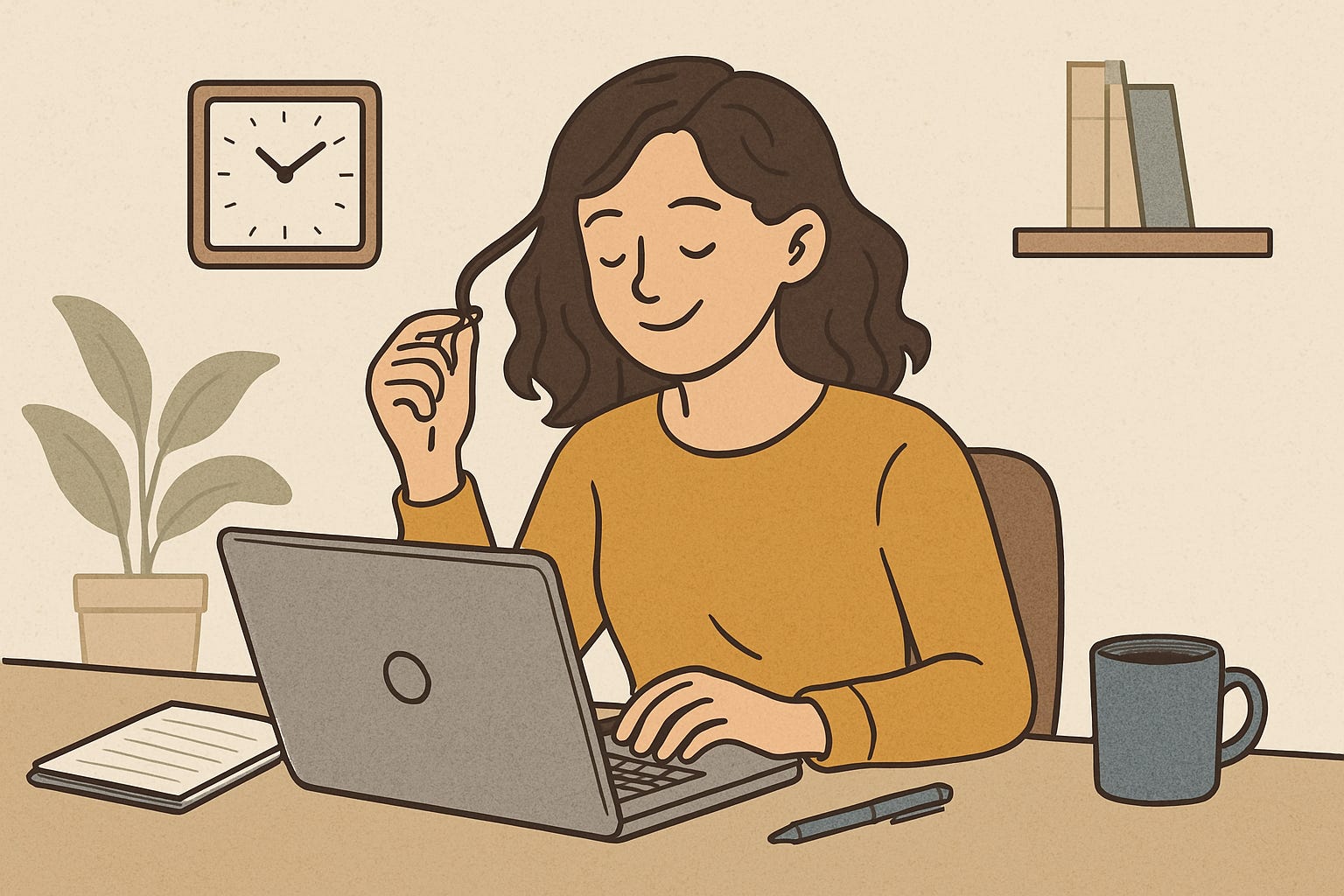
Strategic "stimming" without apology. I've embraced that certain repetitive movements help me focus and regulate emotions. Whether it's twirling my hair during deep thinking or tapping my fingers in a pattern during meetings, I've stopped fighting these natural regulatory behaviors.
A Compassionate Closing Thought
Living with ADHD means our brains work differently—not worse, just different. We often need to expend considerably more energy to accomplish what seems effortless for others, which is exhausting and sometimes demoralizing.
On particularly difficult days, I remind myself: having ADHD in a world designed for neurotypical brains is like being forced to write with your non-dominant hand all day, every day. Of course it's harder. Of course you get tired. Of course you make more mistakes.
Be gentle with yourself. Celebrate the strategies that work, and don't beat yourself up about the ones that don't. Your worth isn't measured by your productivity or organizational skills.
What strategies have you found helpful for working with your ADHD brain rather than against it? Share in the comments—our collective wisdom is stronger than any single approach.
This post reflects my personal experiences with ADHD and isn't intended as medical advice. I'm not a healthcare professional, just someone navigating similar challenges. What works for me might not work for you, and that's okay. If you're struggling significantly with ADHD symptoms, please consider reaching out to a qualified healthcare provider who specializes in ADHD.
Also worth noting: I write about these strategies from a place of both success and ongoing struggle. Some days I nail them all; other days I can barely remember my own name. Progress isn't linear, especially with ADHD, and I'm right there in the trenches with you.
I love ❤️ it! This article rocks. You have such an eloquent way with words. I look forward to reading 📚 more.
Thank you for sharing !! I love the audio feature sometimes my ADHD doesn’t let me sit and read something all the way through 😂