
I've Failed at Building Routines Hundreds of Times
Here's What Finally Worked (It's Not Willpower)

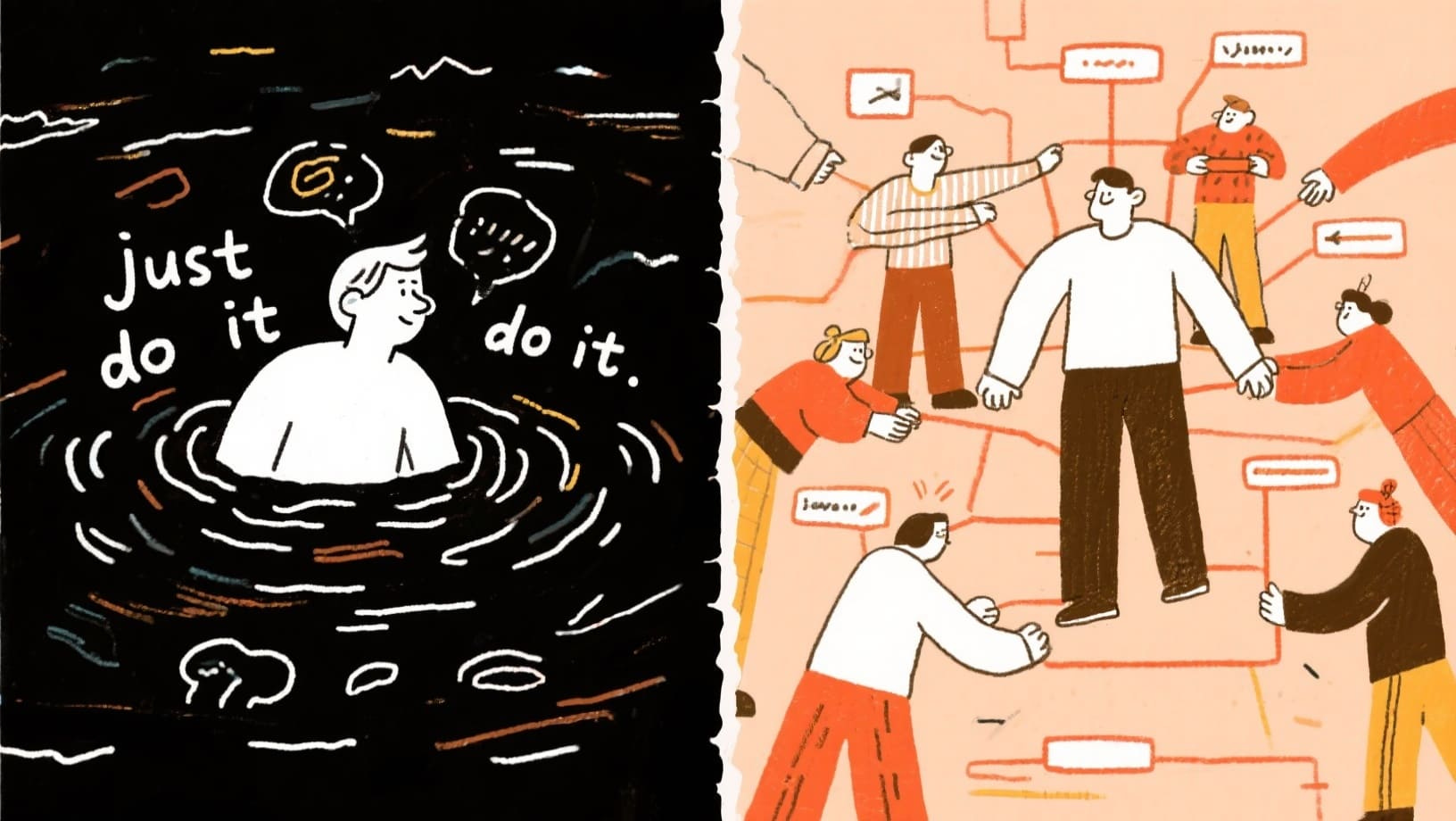
The Comparison Trap
You open Instagram – and everyone’s making millions, running a beauty blog, raising 5 kids, and managing 10 businesses simultaneously.
Your brain knows it’s fake. But the primitive part still asks: “Why not you?”
And the inner critic starts:
How can others just do things regularly?
Why am I working on projects until midnight?
How do they make it look so easy? Why not me?
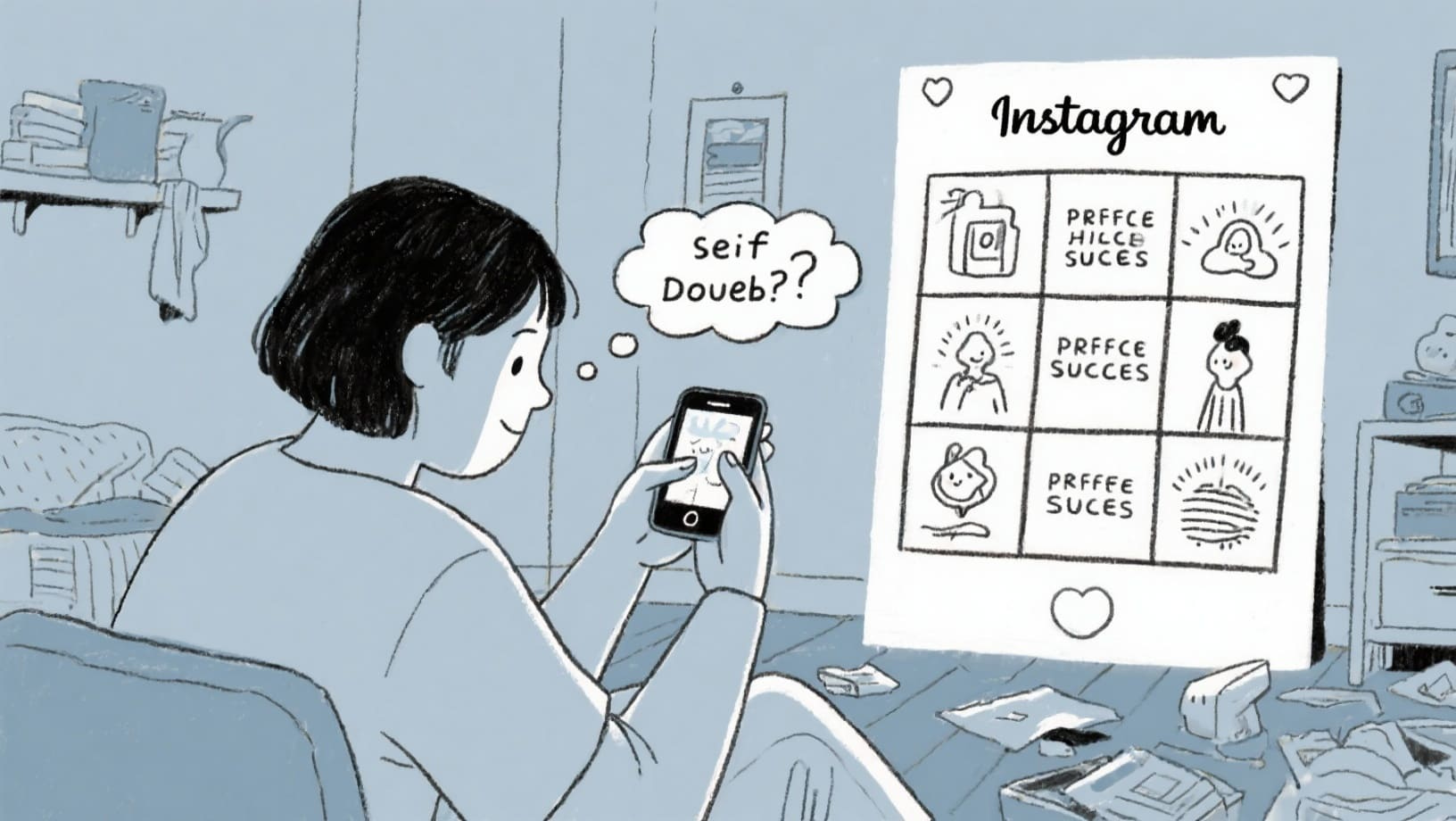
The Double Hit
For many with ADHD, it’s not just “laziness” or “not trying hard enough”:
Slower academic progress
Bullying at school for “weird” behavior
Rejection by peers
And as a result – a voice in your head: “I’m not okay”
It’s hard to count how many times I’ve failed at building routines. Especially when everyone around says: “Just pull yourself together, use willpower.”
What Actually Works
Not willpower. Not motivation. Not “just get it together.”
Structure + External Accountability.
Exercise
I pay money to a trainer. I promise I’ll show up.
Why it works: An authority figure helps survive the hardest first 2-3 months (because no, habits don’t form in 21 days – that’s a myth. Research shows most behaviors take 2 to 5 months to become automatic).
PS: Apps didn’t worked for me, as there is no personal connection. Alternatively is mate or partner training or group classes.
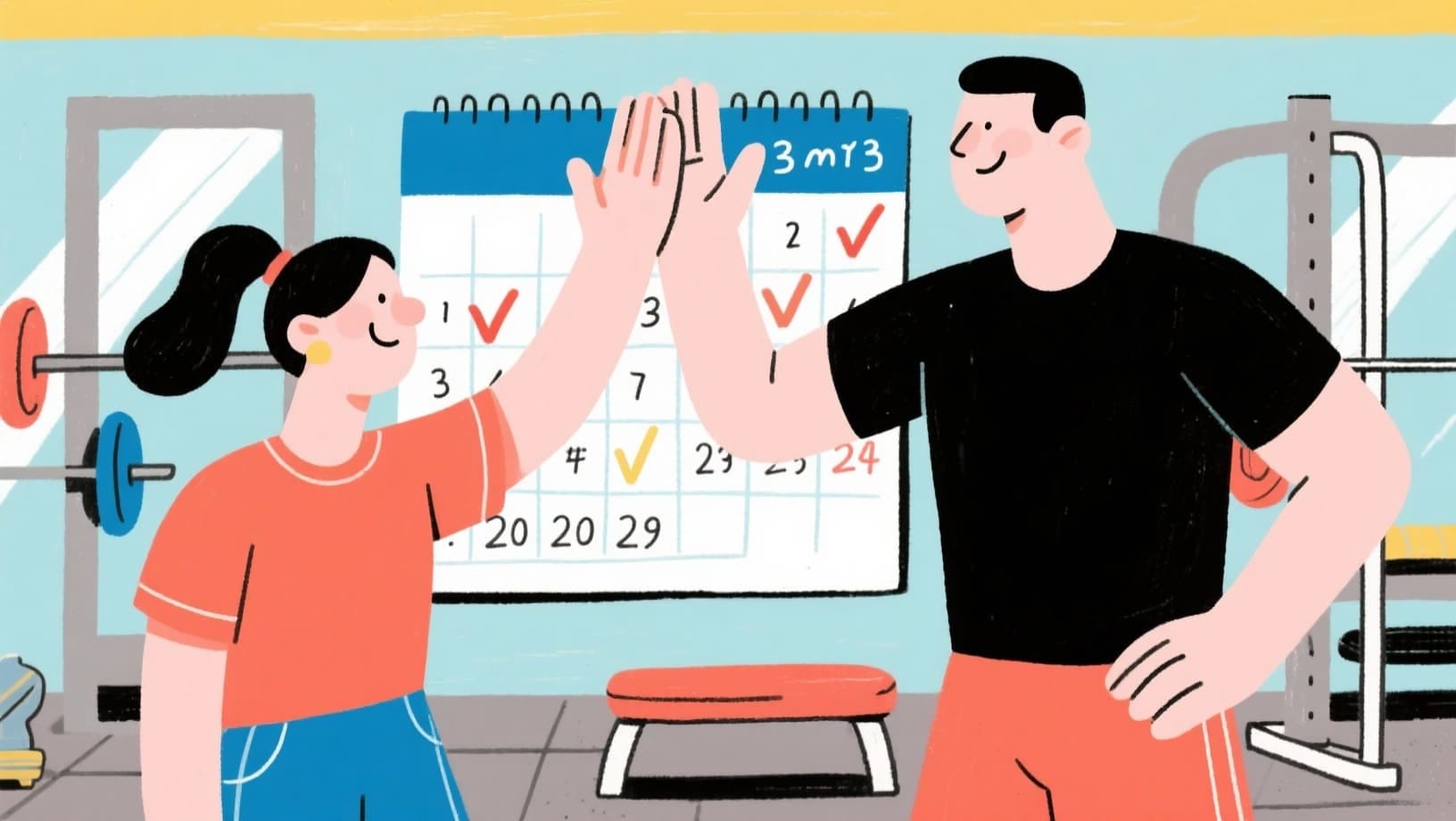
Work
A mentor through ADPList or similar platforms.
Why it works: Research shows that structured accountability groups are indeed effective for adults with ADHD. Regular meetings = structure. Someone expecting progress = healthy pressure.
Home Life
Help from a partner, friends, or therapist.
Why it works: ADHD brains thrive with external structure and support. Climbing out of a spiral of household chaos alone is nearly impossible.
What We Forgot
Somewhere along the way, we decided adulthood = complete autonomy. That successful people do everything themselves.
But that’s a lie.
All those “successful” Instagram people have:
Assistants
Coaches
Managers
Therapists
Cleaners
Personal trainers
They don’t do everything themselves. They just don’t post about who helps them.
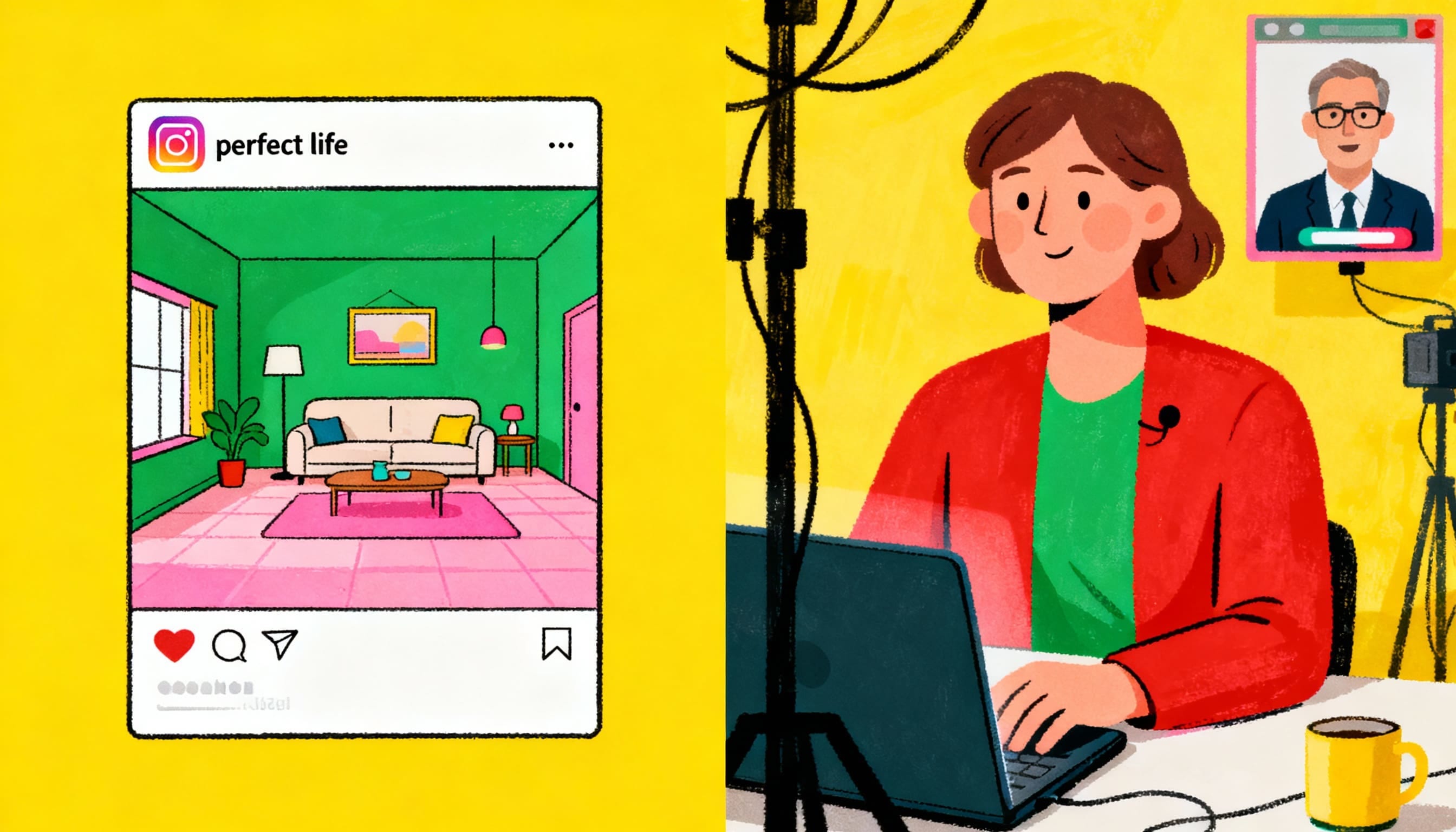
Practically: Where to Start
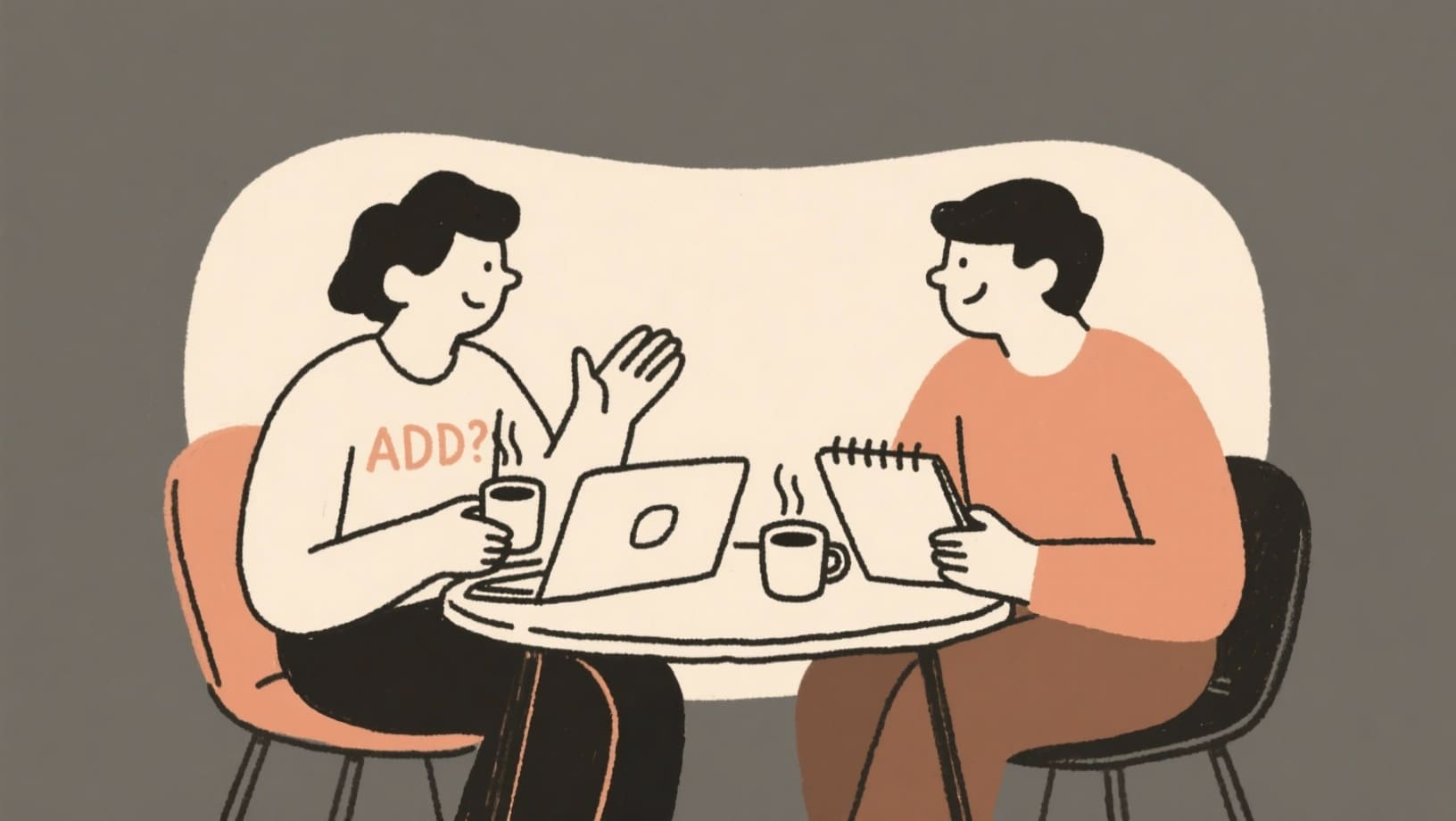
1. Acknowledge Reality You need help. This isn’t weakness – it’s strategy.
2. Choose One Area Don’t tackle everything at once. What’s blocking you most?
Exercise? → Trainer or group class
Work? → Mentor
Home? → Body doubling sessions
Mental health? → ADHD-specialized therapist
3. Create Commitment Structure
What works:
Regular meetings (not “when I feel like it”)
Financial commitment (paid works better)
Specific goals and check-in moments
4. Be Honest Say it directly: “I have ADHD, I need extra structure.”
If someone reacts negatively – they’re not your person.
Does This Mean I’ll Never Fail Again?
No. And that’s okay.
There’s no perfect plan where you maintain routines flawlessly forever. We’re all different, life throws curveballs, and some months are just harder than others.
You will have setbacks. You’ll skip the gym for two weeks. You’ll forget to track expenses. You’ll fall off the routine.
The difference isn’t avoiding failure – it’s what happens next.
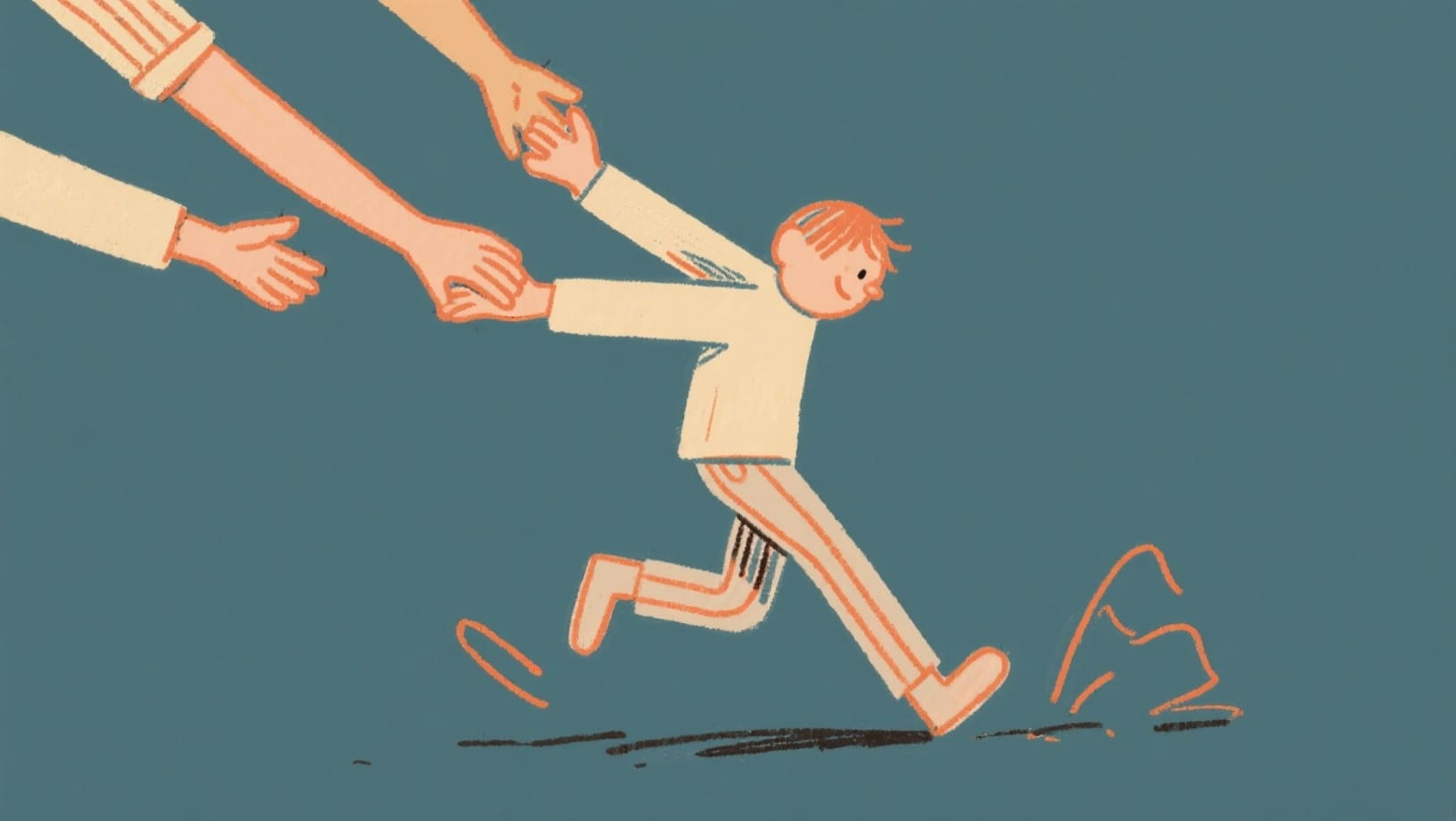
With structure and support, you get back up faster. You don’t spiral into “I’ve ruined everything, why bother?” Instead, you text your trainer, message your accountability buddy, or reach out to your therapist.
The system doesn’t prevent you from falling. It catches you when you do.
The Bottom Line
Willpower is a myth for ADHD brains.
Structure + accountability = what actually works.
Success isn’t never falling – it’s having people and systems that help you stand back up.
You’re not broken. You’re just using the wrong tools.
Your Experience?
Who helps you maintain routines? Or are you still looking for your support system?
Share in the comments – your experience might help someone reading this right now.
Useful Resources:
Mentors: ADPList, MentorCruise
Body doubling: Focusmate, FlowClub, Goblin Tools
ADHD coaches: ADHD Coaches Organization, CHADD, HealthyGamer
Free communities: Reddit r/ADHD, CHADD online groups, How to ADHD community

P.S. If finances are tight, remember: friends, online communities, free accountability groups exist. Support doesn’t always cost money, but it should always be there.
P.P.S. The most important thing I learned: asking for help isn’t admitting defeat. It’s recognizing how your brain works and building systems around that reality. That’s not weakness – that’s wisdom.
Disclaimer: This article is based on my personal experience living with ADHD and personal research. I’m not a medical professional or licensed therapist. If you’re struggling with ADHD symptoms, please consult with a qualified healthcare provider, psychiatrist, or ADHD specialist who can provide personalized professional guidance. What works for me might not work for everyone, and that’s okay – we’re all finding our own paths.
"Success isn’t never falling – it’s having people and systems that help you stand back up."
What a great quote! I might need to put it as a post-it on my wall as a reminder...
I suspected I had ADHD for a long time for this reason. So I did start doing research and started adding in structure to help with my goals. I now have an accountability buddy for my creative endeavors (my Substack) and in setting my exercise routine (my bestie I talk to every week anyway). I might switch to an app that assigns a personal trainer to a group for my exercise goals... I still struggle but it helps me talk through what I might need to improve and keeps me focused on staying with it and moving forward.
Funnily enough, I've talked to both my therapist and my primary doctor and they don't think I have ADHD, but that I likely am neurodivergent with cross-over symptoms. I still wonder if I should try to get a diagnosis to know for sure but for now I'll keep doing the research and seeing what I could do on my own through behavioral modifications and applied insight. Apparently, doing the recommendations crafted for ADHD folks still helps me! Thanks for posting about this!
You wrote "(because no, habits don’t form in 21 days – that’s a myth. Research shows most behaviors take 2 to 5 months to become automatic)". Interesting... I have to think about this one because I feel like it can definitely take me more than 21 days to form a habit, but definitely less than five months. I will have to try this out some time to see what it is for me. How long does it take for you?